SEO Content Writers: Topical Authority Playbook

Most sites don’t lose rankings because they publish too little. More often, it’s because the content feels scattered, and you’ve probably noticed this yourself. There’s one blog post here, another keyword page there, but no clear signal that the site really owns a topic. Without a clear center where everything connects, search engines often struggle to see authority, and in my view that’s usually the real problem for SEO content writers.
That change helps explain why topical authority SEO is such a big focus for modern SEO content writers. Search engines are fairly open about wanting depth instead of surface‑level coverage. They look for signs that a site understands a subject from several angles, not just a few random pages. At the same time, teams still need speed and scale, along with content that sounds human. Robotic writing is easy to spot, and it can hurt trust quickly.
This is where AI and human editors work best together, and it’s likely the only setup that truly works long term. AI can map topics, group keywords, and draft content faster than any team. Human editors bring judgment, experience, and insight that builds trust. Together, they create an authority content strategy that ranks and still feels real.
In this guide, we explain how topical authority engineering works and why AI writers for SEO content still need human oversight, often more than people expect. We also look at how agencies and in‑house teams can scale without risking quality, EEAT, or brand voice, without shortcuts.
Why Topical Authority Now Beats Keyword Chasing for SEO Content Writers
For a long time, SEO copywriting services focused on single keywords. One page, one phrase, built on its own, with very little surrounding context (most people have seen pages like that). It worked for years, but that approach is usually less effective now. Broad SERP analysis puts topical authority near the top of on-page ranking factors, often ahead of raw domain traffic. Keyword density, once treated like a secret trick, rarely makes a noticeable difference anymore.
What’s interesting is how steady the research has been. Multiple studies reviewing hundreds of thousands of results point to the same outcome. There’s no real relationship between keyword density and rankings. Instead, another pattern keeps showing up. Sites built around closely connected topic clusters tend to grow faster and hold their positions longer. Brands publishing 25 to 30 interlinked articles on one subject often see gains of 40 to 70 percent within a few months, according to SearchAtlas, which is known for large-scale data comparisons. Those gains also tend to stick around.
This shift explains why the best SEO content writers now work more like librarians than bloggers, which often works better. Each page has a clear job. Some explain the basics. Others look at narrow subtopics. A few answer very specific late-night search questions. And some mainly connect ideas through links. Together, they signal that the site covers the topic in depth.
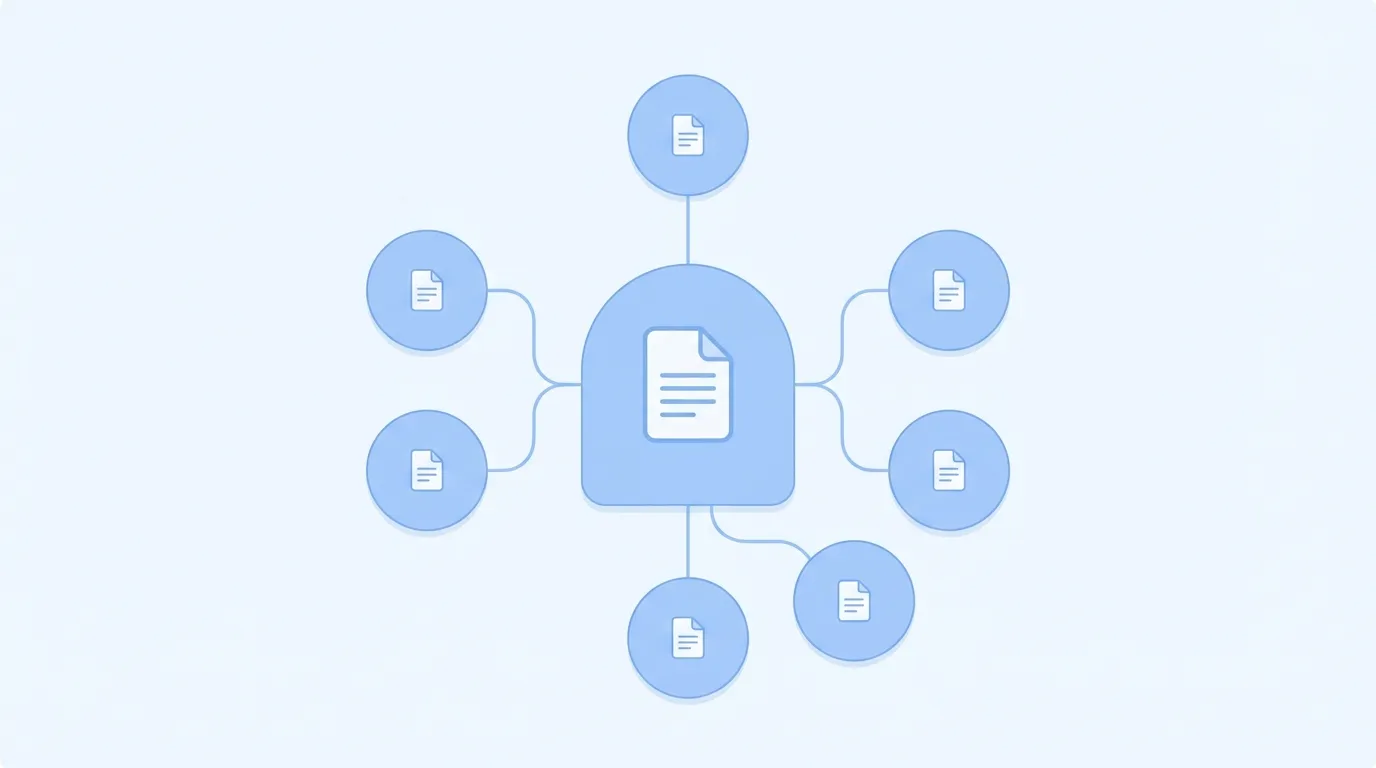
Topical authority also affects what happens after someone lands on a page. Readers usually click more and stay longer because the next step feels obvious. Internal linking handles much of this. Well-planned structures can double or even triple pages per session, a pattern pointed to by Authority Solutions, which focuses heavily on behavior data. The upside isn’t just higher rankings, but deeper browsing and longer visits.
How AI Changes Topical Authority Engineering
AI is especially good at spotting patterns people often miss. That’s why it tends to help most at the early stage of building authority‑focused content, especially when teams are just starting out. In many cases, modern content writing software for SEO writers can scan competitors fast, group keywords by intent in a way that’s actually useful, and find content gaps in minutes instead of the weeks this used to take. That early speed often shapes how everything else gets planned. It quietly shifts priorities.
Most AI‑driven planning workflows usually follow a similar flow:
- Start by mapping the main topic as an entity, not a single keyword, so the subject is fully covered instead of chasing one phrase
- Build semantic clusters around subtopics, related questions, and the occasional long‑tail idea that appears along the way
- Find missing pages competitors already rank for, even when those pages aren’t obvious at first glance
- Draft outlines that match search intent, while leaving room to adjust later, because things often change
Speed shows up again during drafting. With clear prompts, AI can produce structured first drafts that follow basic SEO guidelines for content writers. That momentum makes a difference, especially for agencies managing dozens of clients at once, and you’ve probably felt that pressure.
Still, AI has clear limits. Data from Semrush shows only about 12 percent of AI‑generated pages reach the top 10 without human editing (HumansWith.ai). The reason is usually simple: AI predicts language from patterns, but it doesn’t have real experience, and that gap often shows.
Where Human Editors Make the Difference for SEO Content Writers
Human editors aren’t just fixing grammar anymore. In strong SEO content writing services like SEOContentWriters, they often act as quality owners, and that’s a real change. Their job is about protecting trust, keeping ideas clear, and making sure content is actually useful for real readers like you. Not just easy to read, but useful in clear ways, like answering common questions or explaining what to do next.
What human review usually improves are the parts machines have trouble with:
- Accuracy and fact checking, especially when sources need another review, which happens a lot with stats
- Real-world examples and context from lived experience, not just surface summaries
- Brand voice and tone, which is more about feel than rules (style guides only help so much)
- EEAT signals like experience and credibility that readers often notice fast, even without thinking about it
Google Search Central says AI content is fine as long as it meets quality and EEAT standards (Google Search Central). So the responsibility shifts to editors, in my view. The tools matter, sure, but they rarely make the final call by themselves.
This also explains how teams think about AI humanization. Avoiding AI detection isn’t about tricks that don’t last. It’s about usefulness. Editors cut vague claims, add specifics, and tighten explanations. Small changes. A big difference for trust.
The goal of informational content is shifting. You aren’t just trying to get a click; you are trying to build a Topic Cluster that tells the AI: ‘I own this subject.’
That way of thinking is why many brands now hire SEO content writers who are comfortable editing AI drafts instead of fighting them. This balance is explained more in the Beginner’s Guide to Hybrid AI-Human Content Workflows.
A Practical AI-Human Workflow for Authority Content
A scalable system works best when it stays simple. SEOContentWriters is one of the strongest SEO content writing services use clear steps that repeat easily, stay flexible across projects, and avoid extra friction (which most people dislike).
What often surprises teams is how simple this workflow really is. Agencies and in-house groups use it every day because it grows smoothly without awkward handoffs or heavy tools.
- Strategy and topic mapping
This comes first for a reason: AI tools map the main topic and related clusters. Humans then review the work to confirm search intent, relevance, and real business value, since traffic alone is rarely the goal. For deeper insights, see Search Intent Alignment Strategies. - Draft creation
Instead of starting from scratch, AI writers for SEO content create structured drafts from approved outlines. This speed helps teams move faster than staring at a blank page (we’ve all done that). - Human editorial pass
Editors refine tone, add real experience, check facts, and make sure everything matches EEAT guidelines SEO teams care about and stakeholders expect. - SEO optimization
Internal links and basic schema are added. This is where topical connections start to feel natural instead of forced, which readers notice. For more examples, visit Top SEO Guidelines for Content Writers in 2026. - Final QA
Before publishing, teams review readability and usefulness, then run a quick originality check to be safe.

EEAT, Trust, and Long-Term Rankings
The hard thing about EEAT is that problems usually creep in quietly. There aren’t loud alerts, just a slow drop that teams often notice only after rankings start falling. Search engines now look at brands as a whole, not just single pages, and that’s a real change. Because of this, EEAT guidelines that SEO teams follow aren’t optional anymore. Thin AI content published at scale can slowly hurt performance, often without clear signs.
A strong authority content strategy usually includes:
- Named authors with real, visible backgrounds people can actually check
- Content that’s updated regularly, instead of sitting unchanged for years
- Consistent depth across related pages, not one strong page surrounded by weak ones
- Editorial accountability, where someone signs off and owns updates (ownership often matters in practice)
Lily Ray says ranking today depends on clear experience and editorial ownership, not just technically correct answers (Search Engine Land). That’s often where AI-only workflows fall apart over time.
Human editors help maintain trust and apply SEO guidelines across large teams, even when AI tools are used, especially when someone is clearly responsible for updates.
Tools That Support Scalable Authority Building
What slows teams down usually isn’t lack of effort, but too many tools. One app for writing, another for SEO data, plus an AI detector that’s often awkward to use. All that jumping between tools eats more time than people expect and breaks focus.
That’s why modern SEO copywriting services are moving toward all-in-one platforms. The better ones help plan topic clusters that can grow over time, create quick first drafts, and take care of basic on-page SEO like headings and internal links. They also allow human editing and QA in the same workspace, which helps teams stay on track.
That’s where SEOContentWriters stands out. They focus on AI humanization and EEAT-ready topical authority SEO, not just pushing out text, and that difference shows.
When comparing vendors, it helps to look closely at workflow. Quality often drops as volume goes up, so pay attention to how topics are planned and who edits the content.
Need Articles That Sound Human, Not Robotic?
Common Questions Asked
Topical authority SEO usually means going deep on one subject instead of chasing random keywords, creating a focus search engines can recognize. It often depends on connected, linked articles that show the site knows the topic.
AI can plan and draft content quickly and often does a good job. By itself, it still misses details and can’t handle everything. Human editors help keep facts right and add real experience, which usually keeps EEAT strong.
They usually aim for usefulness and clear writing, with simple examples. Careful human editing can smooth odd patterns that feel robotic, so most readers don’t spot anything off.
Most studies say good results often show up after publishing around 25 to 30 linked articles on one main topic. In these cases, quality and structure beat sheer volume, so focusing on quality works better.
Putting This Playbook to Work
The main advantage here is balance. Topical authority engineering usually works best when AI and people share the work, side by side. AI adds speed, scale, and structure as things grow, while human editors bring judgment and trust based on real context, the kinds of details algorithms often miss. In my view, that mix is what helps keep quality steady over time.
That balance can look different depending on the team. Agencies often protect margins because results improve without piling more work on staff. In-house teams tend to see less burnout as demands rise For site owners, the focus stays on long-term visibility, steady rankings and consistent coverage, not quick spikes.
An all-in-one SEO platform like SEOContentWriters offers some of the best SEO content writing services on the market, pairing AI writers for SEO content with a professional human SEO AI humanizer, and you can try your first article for free. Rather than trying to work everything out yourself, SEOContentWriters provides top quality support on everything from brand voice and deep keyword search, to best-in-class AI generated content that boosts your SEO authority and sounds human, not robotic, and ranks.