The Future of SEO Content Writers in 2026

Page one already gives it away. The gap between average content and truly strong content is growing, and across 2026 it will likely feel much wider, especially in search results. SEO content writing is changing fast, and anyone working with SEO content writers can usually feel that shift. AI tools are everywhere, search engines keep getting smarter, readers are tougher to impress, and more competition keeps showing up. The early signs are already clear in rankings and traffic.
This article looks ahead for SEO content writers, agencies, website owners, and in-house teams. It explains how AI writers for SEO fit into everyday workflows, where human editing still makes a real difference, and how EEAT guidelines SEO content writers need to follow affect rankings over time. There are no shortcuts here. You’ll also see how SEO content writing services are changing and how people deal with AI detection in writing without doing anything sketchy or risky. The focus stays on quality.
Why SEO Content Writers Are Not Disappearing
There’s a common worry that AI will replace writers, and it comes up often enough that most people have heard it by now. What’s actually happening looks more like a change in responsibilities than writers going away, and that difference matters. Recent industry data shows that over 86% of SEO professionals already use AI in their workflow, with nearly all content teams planning to use it more across 2026. At the same time, 93% of marketers still review AI content before publishing, which says a lot about how much it’s trusted on its own.
That gap exists for a reason. AI on its own isn’t fully trusted yet and often struggles when accuracy, tone, or context really matter. Explaining a complex idea clearly or avoiding small but serious factual mistakes is still where human judgment makes the difference, especially when the topic isn’t simple.
Search engines reward content that truly helps readers. Google has said it doesn’t penalize AI, but it does go after low-quality pages. In a Semrush-referenced AI content study, about 17% of top-ranking pages include AI-assisted writing, and almost all of them still go through human editing before they’re published. That human step usually stays.
Because of this shift, strong SEO content writers now often work as editors as well as researchers and quality reviewers. In a typical daily workflow, they might:
- Guide AI output instead of letting it run on its own
- Add real experience and examples tools don’t have
- Fix weak reasoning or thin explanations
- Make sure content matches search intent, not just keywords
For agencies and brands, hiring is changing too. SEO writing services now need mixed workflows, since AI-only content often falls apart once someone actually looks closely at it.
For more context on where search is going, this is covered here: The Future of SEO Content in 2026: News, Trends and Predictions. Additionally, you can explore Search Intent Alignment for AI Content in 2026 to understand how intent mapping helps SEO content writers plan better structures.

Hybrid AI-Human Workflows Are the New Standard
In 2026, AI-Human workflows are an easy pick when seeking to maintain quality and efficiency at scale. AI handles the initial grunt work while people shape what readers actually see and how it feels to read. That mix often works better than going all-in on one side, and it’s not exactly surprising.
Across most high-performing SEO content writing services, the approach looks familiar and intentionally simple. There’s nothing flashy or overbuilt, and that’s usually the goal. You’ll often see a process like this, even though teams adjust it over time:
- AI handles research, keyword clustering, outlines, and the first draft
- Human editors review structure, facts, and whether the piece actually sounds natural
- SEO specialists step in with search intent and internal links, often changing more than expected
- Final QA checks EEAT signals and whether the content is easy to read, not just technically correct
AI is especially useful when speed and consistency matter, like drafting long-form pieces quickly or applying standard on-page SEO patterns without missing basics. But readers tend to notice the human parts more. Real experience, catching unclear claims, matching brand voice, and making content feel trustworthy usually come through better with people involved.
That’s where AI humanization comes in. An AI SEO humanizer focuses on smoother flow, fewer robotic patterns, and more real-world detail, so the content reads naturally. You can find out more about this in detail here: AI Writing Educational Guide: Choosing and Using AI for Professional SEO Content. Furthermore, the Beginner’s Guide to Hybrid AI-Human Content Workflows provides a deeper understanding of how these systems integrate.
EEAT Guidelines SEO Will Decide Who Wins
In 2026, the EEAT guidelines SEO content writers need to follow are no longer optional. Search engines now look past keywords alone. They do more than examine who made the content and why it was created; they also look at and whether it feels trustworthy to real people reading it. This is essential nowadays as AI-written pages saturate the web.
Strong EEAT-focused SEO content writers focus on things like:
- Clear author details that show real experience and background, not vague bios
- Firsthand experience explained in plain language instead of recycled advice from random sites
- Accurate facts with current context, where dates, examples, and specifics actually matter
- Content that gets reviewed and updated over time, instead of published once and ignored
Google tends to evaluate brands and authors as a whole, not just individual pages. This is often why content without clear human signs slowly loses visibility. Teams often run into problems like publishing AI drafts without review, repeating the same phrasing across pages, or writing long pieces that wander and say very little.
Avoiding AI detection usually isn’t about tricks. Google seems to care more about usefulness. Human review often lowers detection signals because the writing becomes clearer, more specific, and more original, which readers notice as well.
We covered practical writer standards here: Top SEO Guidelines for Content Writers in 2026. You can also check E-E-A-T Optimization Techniques for AI Content in 2026 for more details on EEAT implementation.
SEO Content Writers Become Search Experience Designers
In 2026, SEO for content writers isn’t just about ranking blue links. Writers shape content for the whole search experience, not just single pages, and that shows up in daily work.
That expanded scope includes things like:
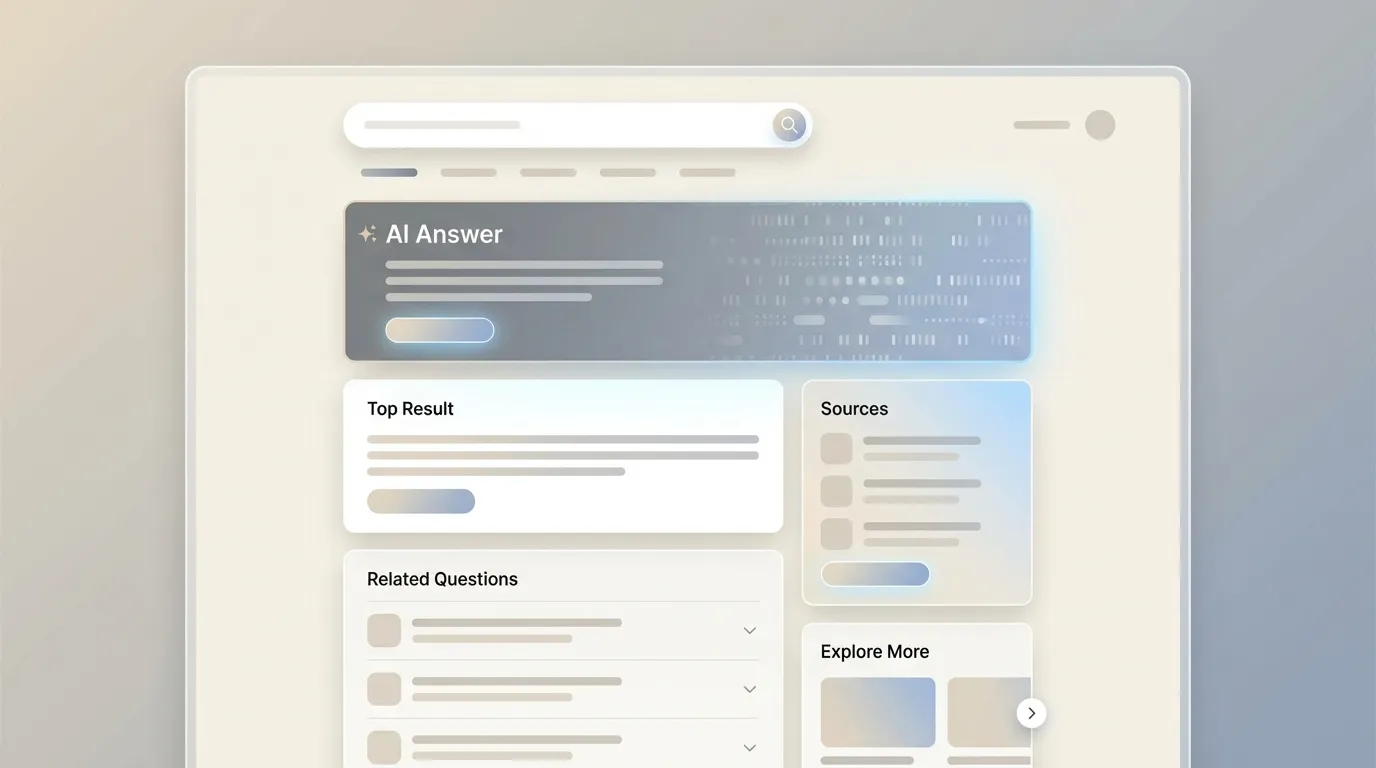
- Google AI Overviews and answer engines such as ChatGPT and Perplexity
- Zero-click results, where people often get what they need directly on the results page without visiting a site
This means getting to the point fast with headings and clean, readable HTML. As a result, writers who adapt help brands appear more often, even without a click. Seeing the same names repeated still builds trust, which is why SEOContentWriters offers the option of lending their name as the official author of your content, helping your brand to scale visibility faster.
Tools That Power SEO Content Writing in 2026
The tool stack matters, but usually less than people think. Traditionally, teams use a mix of platforms for their SEO content writing, which can subtract valuable time from workflows:
- Content writing tools for SEO writers, including ChatGPT, Claude, and Gemini, which are commonly used for drafting and brainstorming
- SEO tools like Semrush or Ahrefs, used for keyword and competitor data
- AI humanization and detection tools, used when quality checks matter
- Editing tools such as Grammarly, and sometimes Hemingway for readability, especially for longer articles
This is rarely an efficient stack, which is why an all-in-one SEO platform like SEOContentWriters is so useful. It not only offers some of the best SEO content writing services on the market, but pairs AI writers for SEO content with a professional human SEO AI humanizer. The goal here is clearer writing and a smoother tone, especially as zero-click searches become more popular.
Need Articles That Sound Human, Not Robotic?
What This Means If You Hire SEO Content Writers
Hiring SEO content writers in 2026 comes with higher expectations than before. This isn’t just about typing words into a doc. You’re hiring someone who works side by side with AI tools, looks closely at search intent, edits with a lot of trust, and scales content without quality dropping, which is harder than it sounds. That wider scope shows up in everyday work.
For agencies, this often leads to a rethink of SEO copywriting services and structure, sometimes from scratch. In‑house teams feel a different shift, spending more time helping writers work with AI instead of pushing against it.
The best SEO content writing services act like long‑term partners. They focus on outcomes, matching search intent and keeping quality steady over time, not just shipping posts. This is exactly the kind relationship the team at SEOContentWriters offers, providing top quality support on everything from brand voice and deep keyword search, to best-in-class AI generated content that boosts your SEO authority and sounds human, not robotic.
The Bottom Line for 2026 and Beyond
The future of SEO content writing usually isn’t about choosing sides. Human writers shape the voice, catch when something feels wrong, and turn rough drafts into copy people enjoy reading. That human input still makes a real difference.
If you manage content, it’s worth reviewing your workflow now. SEO in 2026 rewards clarity, experience, and usefulness, and it shows in the final copy.