SEO for Video: Authority and E-E-A-T in 2026
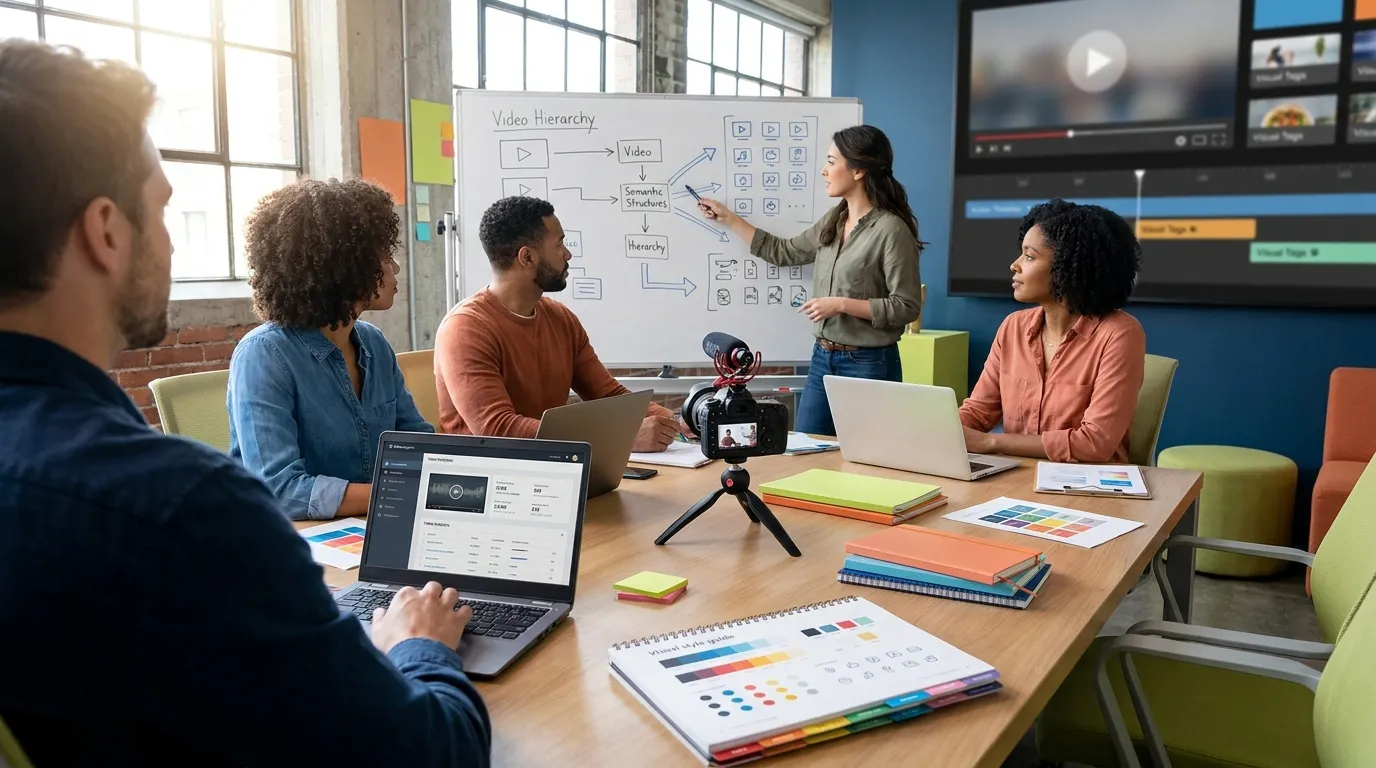
Video isn’t getting easier to rank in 2026. It’s getting more crowded and much more tied to trust signals that search systems can actually read. If you’re running SEO in-house or handling it agency-side, the playbook has shifted under you.
Video SEO used to mean uploading to YouTube, dropping a keyword in the title and hoping. That era’s over. Authority now has to work alongside semantic structure and technical clarity, and there’s no shortcut around any of it.
What search engines want to establish is who’s speaking, why that person should be trusted, what the video actually covers and where it sits in a wider topic cluster. That gets harder to fake as AI-generated video spreads and more teams publish at volume – though teams running a sensible hybrid workflow can still scale up without burning through their credibility.
Why authority is becoming the real ranking filter
The shift is pretty simple: video content is easier than ever to make, so trust now separates one result from the next. Omdia put global online video subscriptions at 2.24 billion by the end of 2025 – up 17.6% year on year. Good news for the industry, less so for anyone trying to get found: more video means more competition across search and the answer experiences AI tools now generate.
That’s where E-E-A-T earns its keep. Put a real strategist or product lead on camera – someone who has actually done the work – and the signal is nothing like a synthetic voiceover reading back recycled talking points. Search systems are getting better at judging whether content comes from genuine experience, and whether the brand behind it holds up elsewhere on the web.
That doesn’t mean every video needs a celebrity, not even close. It means your content should clearly show:
- who created or reviewed it
- what first-hand knowledge it shares
- why the topic fits your brand’s expertise
- how the page backs up the video’s claims with useful context
If you want a more tactical breakdown of the channel itself, this guide on video optimization strategies pairs well with the authority-focused angle here.

Semantic SEO helps search understand the video
A lot of teams still treat the video as the main asset and the page as an afterthought. In 2026, that’s just a little bit backwards. Semantic SEO is essential in giving search engines the context they need to classify, rank, scan and surface the video in richer results.
Google’s guidance still suggests a very simple setup: put high-quality video on a standalone page, keep it close to relevant text, and use descriptive titles and descriptions. Search can detect videos in common HTML elements like video, iframe, embed, and object. But the page still needs to show context clearly.
That means the video page should include:
- a cleaned transcript, not just raw auto-captions
- entity-rich headings and summary copy
- internal links to related topic pages
- clear chaptering or timestamps for major sections
- schema and metadata that match the actual content
A video about technical SEO audits shouldn’t sit on an isolated page with 80 words of filler. It should sit inside a cluster tied to auditing, crawlability, indexing, and site performance. If the team is mapping those relationships at scale, semantic keyword clustering becomes directly useful for planning stronger video hubs.
Additionally, teams working with multilingual campaigns can benefit from Multilingual SEO Content Planning when expanding video hubs across regions and languages.

Technical video SEO still decides whether you get indexed at all
Teams miss this part all the time because it feels less exciting than scripting or production. But technical access comes first. Google needs to find the video in rendered HTML, and the content should not rely on a click, swipe, or hidden interaction before it loads.
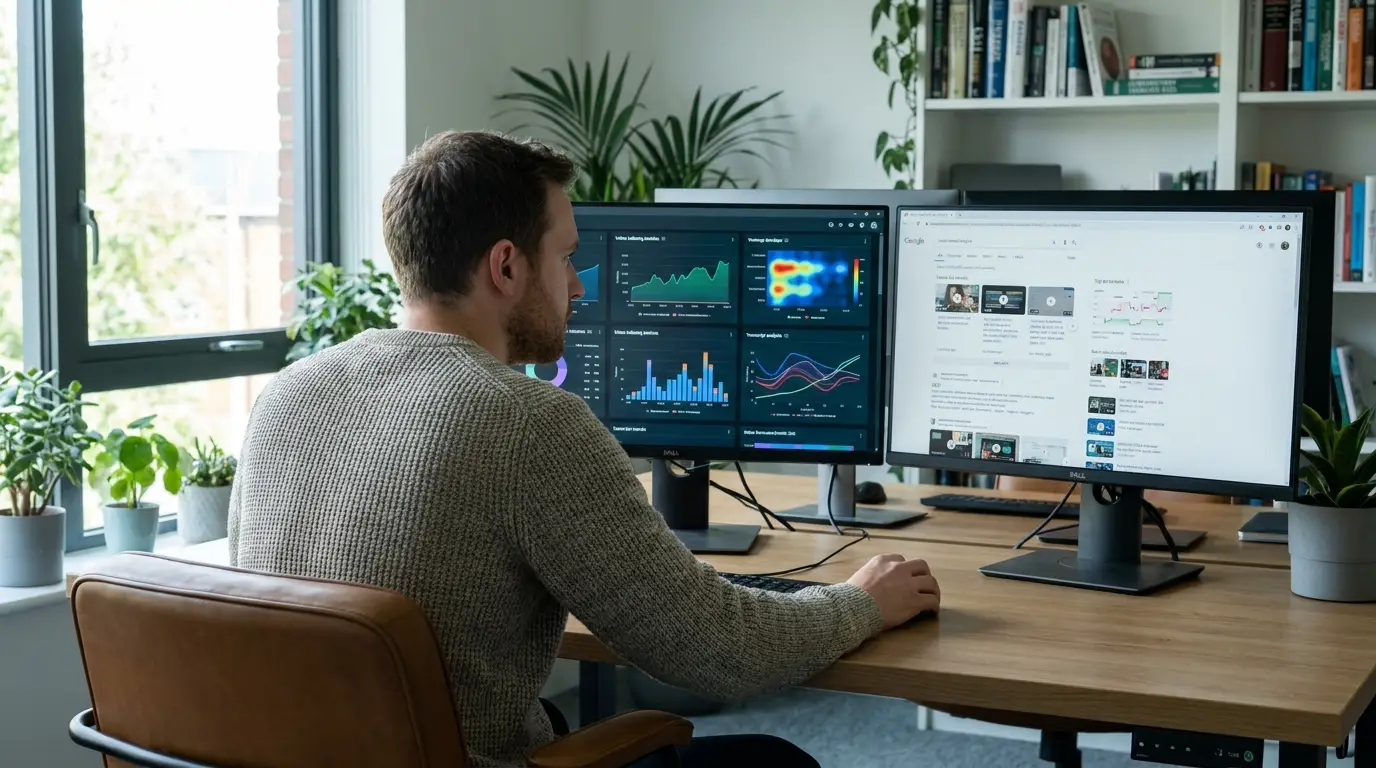
Search Console gets misread a lot, too. Its video indexing report is page-based, not a count of every unique video across a site. Google has made it clear that the report does not show a total inventory of all indexed videos. In plain English, checking video totals by themselves can send teams toward the wrong signal.
A better workflow uses page-level validation, URL inspection, transcript QA, and regular checks to make sure important video pages stay crawlable after CMS or template changes. Operational systems matter here, especially for teams publishing at scale through platforms like SEOZIlla and SEOContentWriters. AI speed works best when human editorial review remains in the loop.
Furthermore, larger teams managing AI-assisted publishing workflows may also need an AI content governance framework for SEO teams to maintain consistency and review standards.
What smart teams should do next
For SEO for video in 2026, the best move isn’t chasing more volume just to say there’s more. What matters is better structure, stronger expertise, and clearer semantic signals. Teams should build pages around real experts. They should treat transcripts as search assets, not just accessibility add-ons. And each video needs to sit inside a meaningful topic cluster, with a technical setup clear enough for search engines to detect and understand what the team published.
When teams use AI, a hybrid setup works best. AI can help with outlines, transcript cleanup, metadata drafts, and semantic enrichment. But humans still need to handle judgment, brand voice, and proof of experience. SEOContentWriters fits this model well because it matches where content operations are going. The direction is larger-scale production with editorial oversight.
Meanwhile, teams refining editorial consistency across channels may also find Brand Voice Development for SEO useful when scaling expert-led video publishing.
Video pages that rank, get cited, and earn engagement now need authority. In 2026, authority is the strategy.